The upcoming release of a new pocket-sized camera model from Fujifilm has sparked fresh speculation about the company's plans to bring back its compact camera series. The company plans to create a design that uses a 1-inch sensor to achieve authentic compact camera functionality, according to trustworthy sources within the organization.
The buzz exists because Fujifilm continues to study compact camera formats after introducing the X Half model during the previous year. The device contained an 18-megapixel 1-inch sensor, which operated in a 3:4 aspect ratio while its dimensions reached 105mm by 64mm by 30mm and its weight reached 240 grams. The device maintained acceptable specifications, yet it failed to achieve the lightweight design that most photography enthusiasts desire. The upcoming camera system will solve current problems by creating a smaller design that includes contemporary camera features.
Industry insiders have shared two possible explanations about the enigmatic person who shoots. The first product would be a spiritual heir to the Fujifilm XQ2, which represents the final compact camera in Fujifilm's X-series lineup from the mid-2010s before the company moved to different camera designs. The XQ2 camera delivered impressive performance through its 12-megapixel 2/3-inch X-Trans CMOS II sensor and EXR Processor II, and its adjustable Fujinon 4x optical zoom lens, which operated from f/1.8 to f/4.9 and provided a 25-100mm full-frame equivalent zoom range. The camera featured a 3-inch 920,000-dot LCD display and recorded Full HD video with stereo audio while providing built-in Wi-Fi connectivity and more than 100,000 phase-detection autofocus points, an ISO range up to 12,800 and 12 frames-per-second burst mode, and optical image stabilization, and lens modulation optimizer for improved sharpness.
The XQ3 designation sounds good to me, and could be a potential name for the upcoming camera model. The XQ3 camera would receive a modern 1-inch sensor, which will enhance its ability to capture better images in dimly lit environments while maintaining its compact design. The development process includes using previous firmware modifications, which help developers save money while making their products more affordable for customers who want to spend less. The new sensor needs to match the XQ2's slim design, which extends slightly beyond the Sony RX100 VII dimensions but remains smaller than the Sony RX100 VII. The author of the article, who has been a fan of the XQ2 since its release, praises its lasting appeal while forecasting that the car will achieve high sales numbers because Asian consumers continue to prefer small vehicle designs.
The market shows different signs of this trend through the X100 series, which continues to attract strong customer interest because its preorders constantly sell out, and the X100VI model experiences price increases in the resale market. The X100VI features a 40.2-megapixel APS-C X-Trans CMOS 5 HR sensor and X-Processor 5 and a built-in 23mm f/2 Fujinon lens which has a 35mm equivalent focal length and provides 6-stop in-body stabilization and 425-point hybrid autofocus array and a hybrid optical/electronic viewfinder with 3.69 million dots and a 3-inch 1.62-million-dot tilting touchscreen and Bluetooth/Wi-Fi connectivity and 20 film simulations including the new REALA ACE. The X30 body design incorporates retro elements but adds an optical viewfinder to create a compact design that unites lightweight construction with advanced camera capabilities.
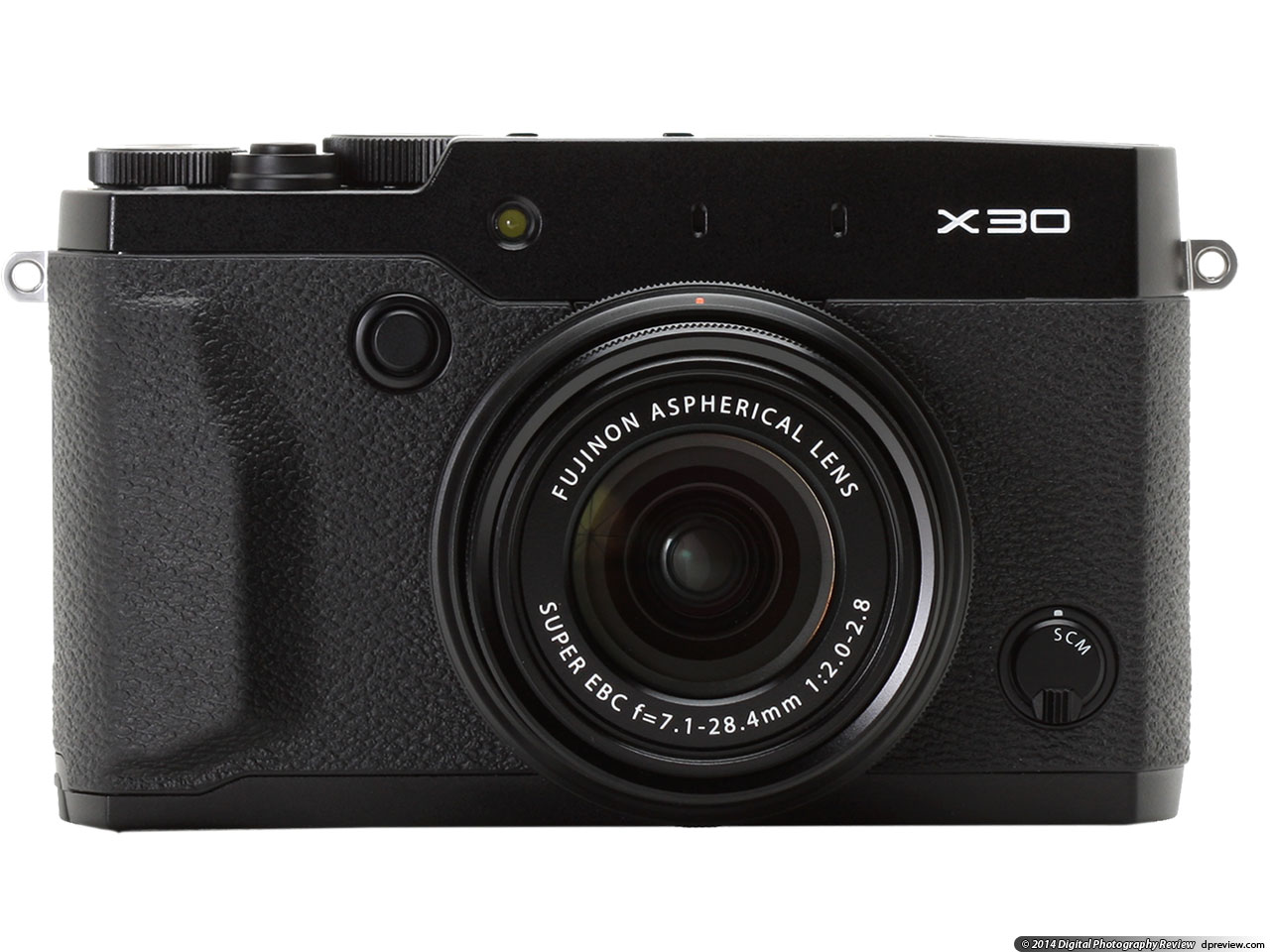
The X Half functioned as an experimental model, which failed to achieve the same level of success as the X100 in a smaller package. The market trends across the industry sector could influence the development of compact cameras because Japanese companies, including Fujifilm, show interest in compact camera revival despite facing challenges to achieve profitability in a market controlled by smartphones.
The world awaits Fujifilm to reveal its 2026 strategy, but if these rumors prove accurate, this device will become the modern compact camera, which will make point-and-shoots popular again. Stay tuned for the official word.